Hay Fever and Pollen Allergy »
Natural Treatment in Berlin
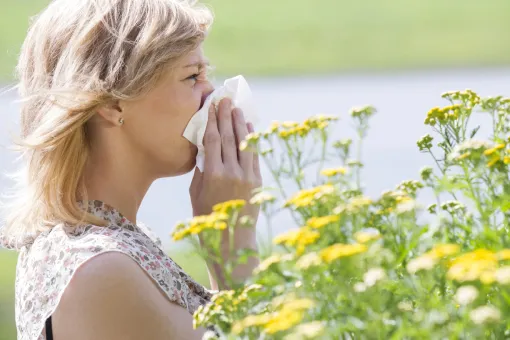
In my naturopathic practice in Berlin, I treat pollen and grass allergies using a holistic approach. The goal is to regulate the immune system, improve the body’s individual response, and provide long-term relief from symptoms. Many patients also experience fatigue or headaches during pollen season, which can further affect daily life and overall well-being.
What Is a Pollen and Grass Allergy?
In a pollen or grass allergy, the immune system reacts hypersensitively to otherwise harmless plant pollen. This overreaction leads to inflammatory processes in the mucous membranes.
Causes and Triggers
The most common triggers include:
- Grass pollen (e.g., meadow and rye grasses)
- Tree pollen (birch, alder, hazel)
- Herb pollen (mugwort)
In Berlin, the pollen season often begins as early as February with hazel and alder and can last until late summer. Many affected individuals also react to several types of pollen at the same time.
Cross-allergies are also common, for example to certain fruits or vegetables.
Typical Symptoms
- Sneezing fits
- Runny or blocked nose
- Itchy, watery eyes
- Urge to cough
- Pressure sensation in the head
- Fatigue and difficulty concentrating
If left untreated, a pollen allergy can worsen or develop into allergic asthma.
When Is a Holistic Treatment Useful?
During pollen season, many patients rely on antihistamines or cortisone-based nasal sprays. While these can relieve acute symptoms, they usually do not address the underlying causes.
A naturopathic treatment approach may be useful when:
- The immune system tends to overreact in general
- Symptoms return every year
- Medication does not provide sufficient relief
- Side effects occur
- Additional skin or digestive problems are present
- Children are affected
- The immune system appears generally weakened
In my practice in Berlin, I do not view allergies in isolation but rather in connection with the entire organism.
Holistic Therapy for Pollen and Grass Allergies in My Practice in Berlin
Every treatment begins with a comprehensive medical history. The aim is to identify individual triggers, stress factors, and disturbances in the body’s regulatory systems.
Comprehensive Initial Consultation
During the initial appointment (120 minutes), we clarify, among other things:
- Onset and progression of symptoms
- Family history of allergies
- Diet and digestion
- Stress levels
- Sleep quality
- Previous medical conditions
Gut health often plays a central role, especially in the development and persistence of allergies.
Possible Naturopathic Treatment Approaches
Depending on the individual situation, the following methods may be used:
Frequency Therapy (Bioresonance)
Frequency therapy is the primary treatment approach used in my practice.
Immune Modulation
Targeted support of the immune system to help reduce excessive reactions.
Phytotherapy
Herbal preparations to stabilize the mucous membranes and support the immune system.
Gut Restoration
Rebuilding a healthy intestinal microbiome as a foundation for a balanced immune response.
Acupuncture
May help regulate the autonomic nervous system and reduce allergic reactions.
Homeopathic Therapy
Individually selected remedies to support the body’s regulatory capacity.
The choice of therapy is individualized and discussed transparently with you. No promises of cure are made; the aim is a gradual improvement in resilience during the pollen season.
Treatment Process
- Initial consultation: Detailed medical history and individual assessment.
- Diagnostic evaluation: If necessary, additional naturopathic diagnostics.
- Individual treatment plan: Specific recommendations for therapeutic measures and supportive lifestyle adjustments.
- Follow-up monitoring: Regular review of progress and adjustment of the therapy.
The earlier treatment begins—ideally before the start of the pollen season—the more favorable the conditions for improvement are often.
What You Can Do Yourself for Pollen and Grass Allergies
In addition to naturopathic treatment, there are several measures you can implement on your own:
Reduce Pollen Exposure
- Ventilate rooms outside peak pollen times
- Change clothes after spending time outdoors
- Wash your hair in the evening
- Install pollen protection screens on windows
Pay Attention to Diet
Certain foods can promote inflammatory processes. An anti-inflammatory, gut-friendly diet may provide supportive benefits.
Reduce Stress
Chronic stress can influence the immune system. Relaxation techniques, breathing exercises, or moderate physical activity may help support regulation.
In my practice in Berlin, you will receive concrete, individually tailored recommendations.
Frequently Asked Questions About Pollen and Grass Allergies
What Helps Quickly with Grass Allergy?
Acute symptoms can be treated with conventional medical therapies. Naturopathic approaches generally aim at medium- to long-term stabilization.
Can a Pollen Allergy Disappear Permanently?
In some cases, the body’s reaction pattern can improve significantly. The course of the condition varies from person to person.
How Long Does Naturopathic Treatment Take?
The duration depends on the severity of the condition, existing medical issues, and the individual’s response to treatment. In many cases, supportive care over several months can be beneficial.
Does Health Insurance Cover the Costs?
Private health insurance and supplementary insurance plans often cover part of the costs. Patients with statutory health insurance usually have to pay for the treatment themselves.
Is Treatment Also Possible for Children?
Yes, naturopathic approaches can be individually adapted. A careful medical history is particularly important in such cases.
Common Allergies in My Berlin Practice

Atopic Dermatitis & Allergic Skin Reactions
Itching, redness, dry skin, or eczema can significantly affect everyday life. Atopic dermatitis and allergic skin reactions often occur in flare-ups and may be triggered or worsened by factors such as stress, diet, or environmental influences.

Food Allergies & Food Intolerances
Bloating, abdominal pain, diarrhea, skin reactions, or fatigue after eating may indicate a food allergy or food intolerance. The symptoms are often nonspecific, which can make it difficult to clearly identify the cause in everyday life and daily routines.
House Dust & Pet Hair Allergies
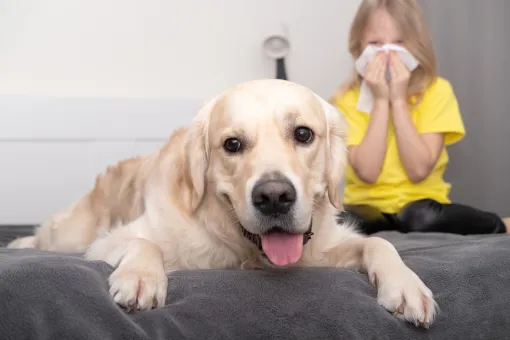
Do you suffer from a blocked nose, frequent sneezing, itchy eyes, or recurring cough—especially indoors or when in contact with pets? A house dust or pet hair allergy (often triggered by mites or proteins from skin flakes) can significantly affect everyday life.
Your Naturopathic Practice for Pollen and Grass Allergies in Berlin
In my practice in Berlin, I place particular emphasis on:
- Comprehensive personal care
- Transparent treatment planning
- A calm and trusting atmosphere
- Individually tailored therapy concepts
Many patients in Berlin look for an alternative or complement to purely symptom-based treatment.
The holistic approach considers not only allergy symptoms but also lifestyle, nutrition, stress factors, and gut health.
Scheduling an appointment early—ideally before the start of the pollen season—may be beneficial.
