
Atopic Dermatitis and Allergic Skin Reactions »
Natural Treatment in Berlin

Itching, redness, dry skin, eczema, or recurring rashes can significantly affect everyday life—both physically and emotionally. Atopic dermatitis and allergic skin reactions often occur in flare-ups and may be intensified by various factors such as stress, diet, environmental influences, or contact substances.
In my naturopathic practice in Berlin, I treat atopic dermatitis and allergic skin reactions using a holistic approach. The aim is to strengthen the skin barrier, reduce inflammatory processes, and regulate the immune system—individually tailored and suitable for everyday life.
What Are Atopic Dermatitis and Allergic Skin Reactions?
Atopic dermatitis is a chronic inflammatory skin condition often associated with dry skin, intense itching, and eczema. Allergic skin reactions may appear as contact dermatitis, hives (urticaria), or inflammatory skin rashes and are often triggered by allergens or irritating substances.
Causes and Triggers
Possible triggers and contributing factors may include:
- Skin barrier dysfunction: dry, sensitive skin with increased reactivity
- Allergens: e.g., pollen, house dust mites, animal allergens, foods (individually)
- Contact substances: fragrances, preservatives, metals (e.g., nickel), cleaning agents
- Stress: may trigger or intensify flare-ups
- Diet & gut health: intolerances, imbalances, irritable bowel symptoms (individual)
- Climate & environment: dry air, cold weather, sweating, air pollutants
Typical Symptoms
- Intense itching (often worse in the evening or at night)
- Dry, flaky, or cracked skin
- Redness and inflammation, sometimes with oozing eczema
- Thickened skin areas caused by scratching (lichenification)
- Hives, swelling, or sudden skin rashes (e.g., urticaria)
- Burning sensations, tight skin, or sensitivity to skincare products
If symptoms are severe, signs of infection appear, or flare-ups are intense, medical evaluation may be advisable. Naturopathic approaches may provide supportive care alongside conventional treatment.
When Is a Holistic Treatment Useful?
Many people mainly treat acute flare-ups (e.g., with creams or medication). A holistic approach may be useful if you would like to better understand triggers, stabilize the skin in the long term, and reduce the frequency of flare-ups.
Naturopathic support may be helpful when:
- Flare-ups occur regularly or symptoms have become chronic
- Itching affects sleep and quality of life
- The skin reacts very sensitively to skincare products or environmental factors
- Digestive problems, susceptibility to infections, or stress occur at the same time
- You would like a complementary, cause-oriented perspective
- A gentle supportive strategy is desired for children or adolescents
In my practice in Berlin, skin symptoms are often viewed in the context of the skin barrier, immune system, gut health, and stress regulation.
Holistic Therapy for Atopic Dermatitis and Allergic Skin Reactions in My Practice in Berlin
Every treatment begins with a comprehensive medical history. The aim is to identify your individual triggers and develop a coherent treatment concept—including skincare, lifestyle adjustments, and, if appropriate, supportive naturopathic methods.
Comprehensive Initial Consultation
During the initial appointment (120 minutes), we discuss, among other things:
- Course of symptoms (flare patterns, seasonal factors, triggers)
- Affected skin areas, intensity of itching, sleep quality
- Skincare products, detergents, occupational or chemical exposure
- Diet, digestion, possible intolerances (individual)
- Stress levels, nervous system, emotional strain
- Pre-existing conditions (e.g., asthma, hay fever, allergies)
In skin conditions, consistent strengthening of the skin barrier and reduction of triggers are often the foundation—supplemented by an individualized naturopathic approach.
Possible Naturopathic Treatment Approaches
Depending on the individual situation, the following methods may be used:
Frequency Therapy (Bioresonance)
Frequency therapy is the primary treatment approach used in my practice.
Skin Barrier & Skincare Concept
Individual recommendations for basic skincare, suitable ingredients, reduction of irritants, and practical routines for everyday life (e.g., after showering, during flare-ups, or in winter).
Stress Regulation & Nervous System
Stress can intensify skin flare-ups. Relaxation techniques, breathing exercises, or regulatory approaches may help stabilize the nervous system.
Phytotherapy
Herbal preparations may support inflammatory processes and itching in different ways, depending on the overall situation and individual tolerance.
Acupuncture
May help regulate the autonomic nervous system and positively influence symptoms such as itching or inner restlessness.
Gut & Nutrition
If indicated: support of the intestinal barrier and gut microbiome, along with individualized dietary recommendations (e.g., anti-inflammatory nutrition, trigger assessment, nutrient focus).
The selection of therapy is individualized and discussed transparently with you. No promises of cure are made; the aim is noticeable relief, improved skin stability, and a strategy that is practical for everyday life.
Treatment Process
- Initial consultation: Medical history, clarification of goals, and first recommendations (e.g., skincare, trigger reduction).
- Assessment & planning: Development of an individual therapy and skincare plan.
- Guided implementation: Step-by-step approach (skin barrier, nutrition/gut health, stress), adjusted depending on progress.
- Follow-up monitoring: Regular check-ups, optimization during flare-ups, and long-term stabilization.
For chronic skin conditions, continuity is particularly important: improvements often develop gradually over weeks to months.
What You Can Do Yourself for Atopic Dermatitis and Allergic Skin Reactions
In addition to treatment, there are measures you can implement on your own:
Strengthen the Skin Barrier
- Choose gentle, fragrance-free skincare products
- Take short, lukewarm showers instead of hot baths
- Apply moisturizer immediately after showering (“3-minute rule”)
- Avoid wool and abrasive fabrics; prefer skin-friendly clothing
- If needed, humidify indoor air (especially in winter)
Identify Triggers
- Check skincare and laundry products (fragrances, preservatives)
- Observe sweating, cold, stress, and certain foods as possible aggravating factors
- Keep a symptom diary (to recognize flare patterns)
Manage Itching
- Use cool compresses or cooling skincare (if well tolerated)
- Keep fingernails short (to protect the skin from injury)
- Practice relaxation techniques to reduce “stress scratching”
In my practice in Berlin, you will receive concrete, individually tailored recommendations—adapted to your skin, your daily routine, and your personal triggers.
Frequently Asked Questions About Atopic Dermatitis and Allergic Skin Reactions
Is atopic dermatitis an allergy?
Atopic dermatitis is a chronic inflammatory skin condition. Allergies may play a role, but they are not necessarily the sole trigger.
How can I recognize a contact allergy?
Typical signs include redness, itching, or eczema at the contact areas (e.g., hands, face, neck). A dermatological evaluation may be advisable.
Can diet influence atopic dermatitis?
In some individuals, certain foods may worsen symptoms. However, there is no universal “atopic dermatitis diet”; an individualized assessment is recommended.
How long does naturopathic support take?
The duration depends on the severity, triggers, and accompanying factors. In many cases, support over several months can be beneficial to gradually stabilize the skin barrier.
Does health insurance cover the costs?
Private health insurance and supplementary insurance plans often cover part of the costs.
Patients with statutory health insurance usually have to pay for the treatment themselves.
Common Allergies in My Berlin Practice
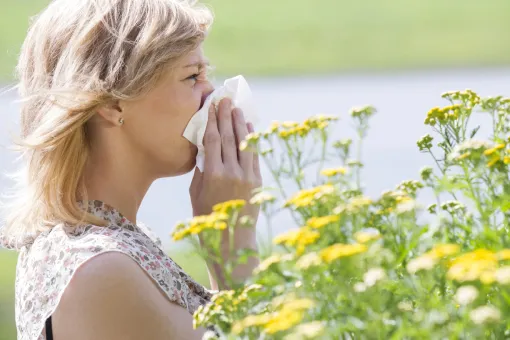
Hay Fever & Pollen Allergy
Do you suffer from seasonal hay fever, watery eyes, or constant sneezing during spring and summer? A pollen or grass allergy can significantly reduce quality of life—especially in a large city like Berlin, where pollen levels can rise sharply during certain months each year.

House Dust & Pet Hair Allergies
Do you suffer from a blocked nose, frequent sneezing, itchy eyes, or recurring cough—especially indoors or when in contact with pets? A house dust or pet hair allergy (often triggered by mites or proteins from skin flakes) can significantly affect everyday life.

Food Allergies & Food Intolerances
Bloating, abdominal pain, diarrhea, skin reactions, or fatigue after eating may indicate a food allergy or food intolerance. The symptoms are often nonspecific, which can make it difficult to clearly identify the cause in everyday life and daily routines.
Your Naturopathic Practice for Atopic Dermatitis and Allergic Skin Reactions in Berlin
In my practice in Berlin, I place particular emphasis on:
- Comprehensive personal care
- Transparent treatment planning
- A calm and trusting atmosphere
- Individually tailored therapy concepts
The holistic approach considers not only skin symptoms but also everyday triggers, the skin barrier, gut health, stress regulation, and a possible underlying allergic tendency.
If you suffer from atopic dermatitis or allergic skin reactions and are considering naturopathic support in Berlin, you are welcome to schedule an appointment for an initial consultation.
